Forum
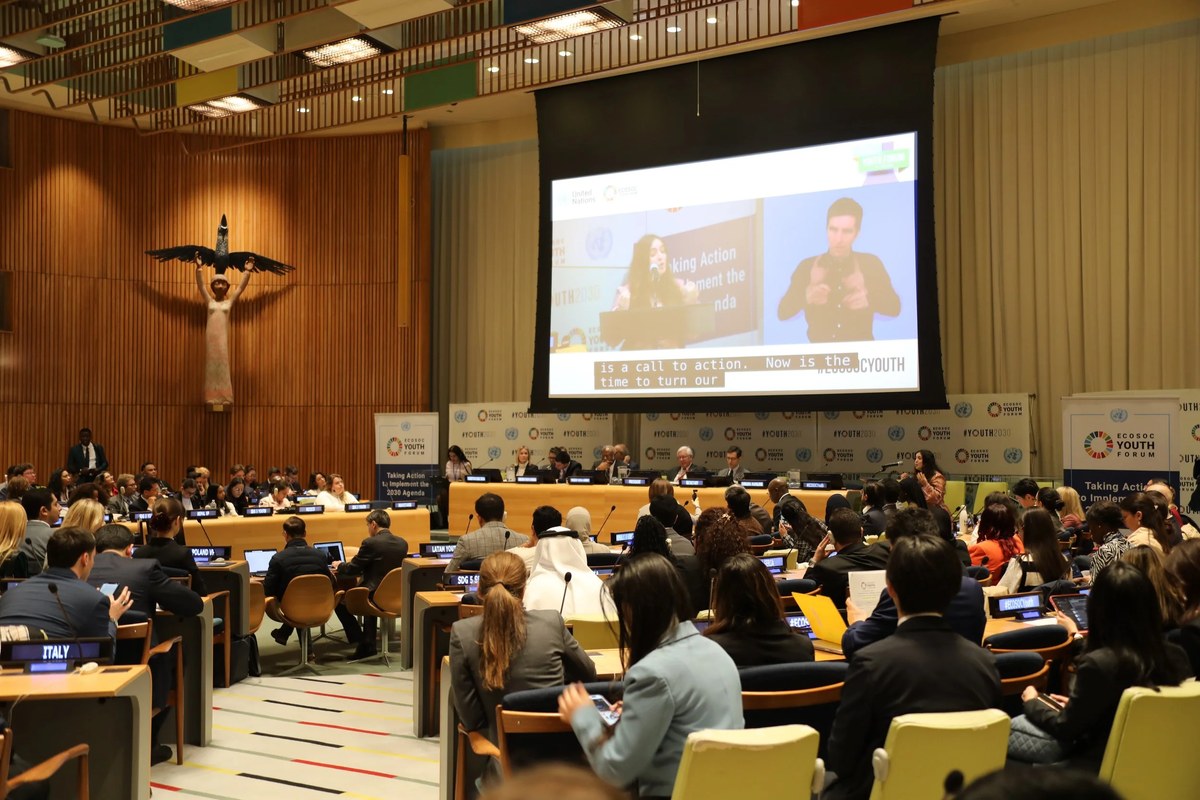
Delegates convene in Samarkand to frame challenges, form teams, and shape the first version of their projects alongside mentors and peers.
Samarkand · Central Asia · 2026
Policy Beyond Discussion.
The Central Asian Youth Assembly is a regional platform where young people move beyond discussion to design, launch, and measure real solutions for Central Asia's most pressing challenges. Through collaboration, mentorship, and long-term implementation, participants transform ideas into measurable impact.
About CAYA
Many gatherings end when the closing remarks are read. CAYA is built around the opposite premise: the forum is the starting line. Participants are expected to create real projects and keep working on them long after the event closes — supported by mentors, institutions, and partner organisations.
Delegates convene in Samarkand to frame challenges, form teams, and shape the first version of their projects alongside mentors and peers.
Teams refine a clear problem, a proposed solution, and the outcomes they intend to measure — turning discussion into a workable plan.
Selected teams test their projects in the field with mentorship, institutional support, and access to partner organisations.
Progress is reviewed beyond the pilot, so that promising work continues, scales, and matures into measurable, lasting impact.
Choose an SDG track and submit your application.
The admissions committee reviews applications and confirms delegates.
Convene in Samarkand, form teams, and shape your project.
Test your project in the field with mentorship and partners.
Keep building toward measurable, lasting outcomes.
One Region
CAYA brings together young people from across Central Asia to work on challenges that no single country can solve alone.
SDG Tracks
Participants apply under one of five Sustainable Development Goals. During the pilot season, selected teams receive mentorship, institutional support, and opportunities to collaborate with partner organisations while working toward measurable outcomes.
Confronting water stress, energy transition, and a warming, drying region.
Central Asia is among the regions most exposed to climate pressure — shrinking glaciers, water scarcity, dust storms, and energy systems under strain. Teams on this track design practical responses: community resilience, efficient resource use, clean-energy adoption, and climate awareness that can be tested and measured during the pilot season.
Widening access to relevant, high-quality learning across the region.
Opportunity in Central Asia still depends too heavily on where a young person is born. Teams on this track work on access, quality, and relevance — from skills and digital literacy to learning in underserved communities — building projects that can demonstrate real improvement in how, and how well, people learn.
Strengthen the means of implementation and revitalize the Global Partnership for Sustainable Development
Partnerships for the GoalsGlobal progress in Central Asia still depends too heavily on isolated efforts and fragmented resources. Teams on this track work on collaboration, resource sharing, and institutional backing — from youth-led networks and digital data-sharing to cross-border cooperation — building projects that can demonstrate real improvement in how, and how well, we work together to achieve the SDGs.
Creating pathways to good work and inclusive economic opportunity.
With one of the world's youngest populations, Central Asia's future depends on creating decent work. Teams on this track tackle employability, entrepreneurship, and inclusion — designing projects that open real pathways to opportunity and can show measurable results for the people they serve.
Empowering young people to shape the places where they live.
Strong communities are built through local action. This track focuses on practical initiatives that make neighborhoods more accessible, safer, greener, and more connected. From public space improvements and civic engagement to sustainable mobility and community services, teams develop projects that create measurable impact with realistic resources and lasting local value.
Why CAYA Is Different
CAYA is designed around a single conviction: young people are most powerful when they are given the structure to deliver, not only to speak.
Every track is built to produce a project — a real problem, a tested solution, and outcomes worth measuring.
Delegates from five countries work side by side on challenges that cross every border in the region.
Work does not stop at the closing ceremony. Projects continue through a pilot season and beyond.
Teams are guided by mentors and backed by institutional support and partner organisations.
Success is defined by results that can be observed and measured — not by attendance alone.
Discussion is a tool, not the destination. The destination is change that holds.
Target
Organizing Team
A team committed to building a credible, lasting platform for young people across Central Asia.
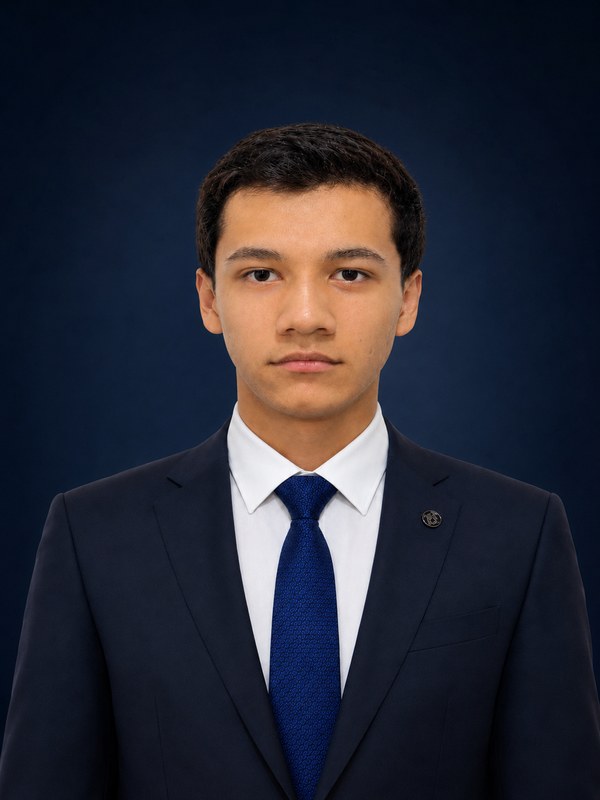
Executive Director
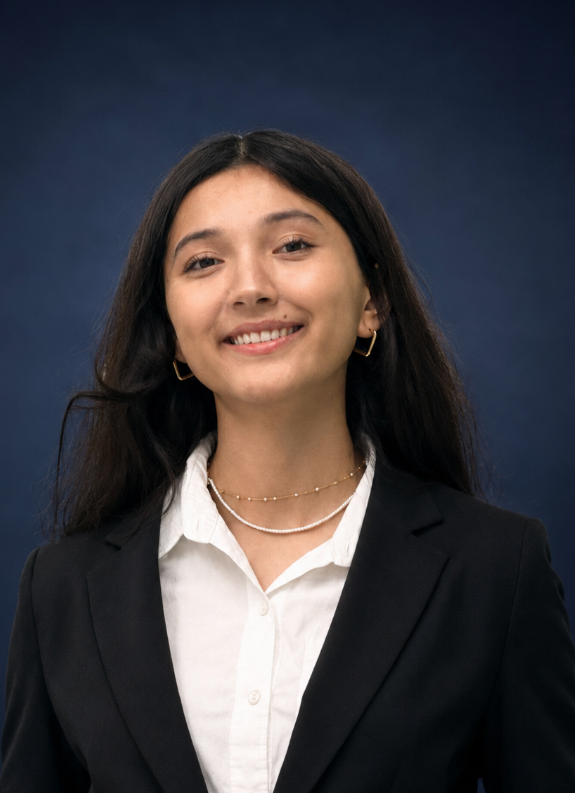
Program Director & Admissions Director
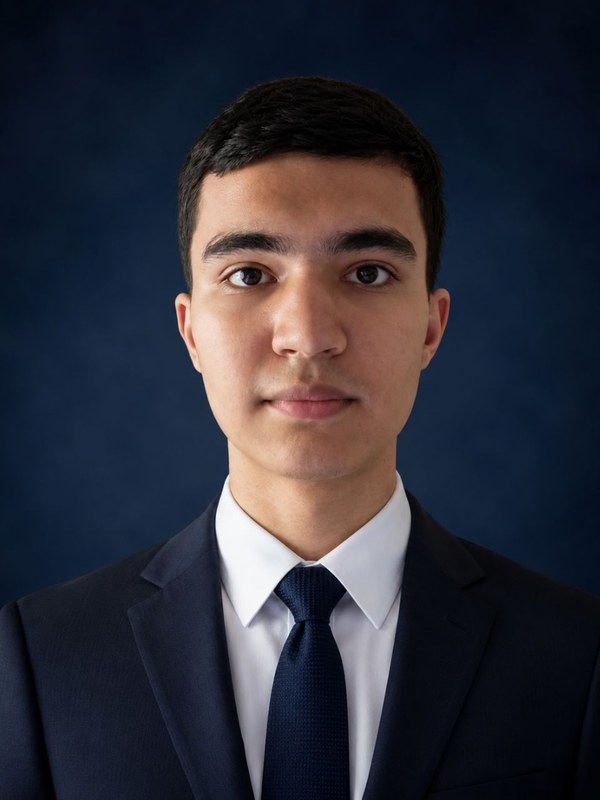
Operations Director
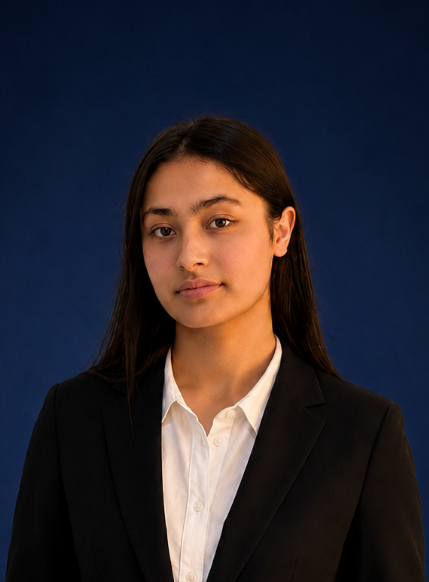
Communications Director
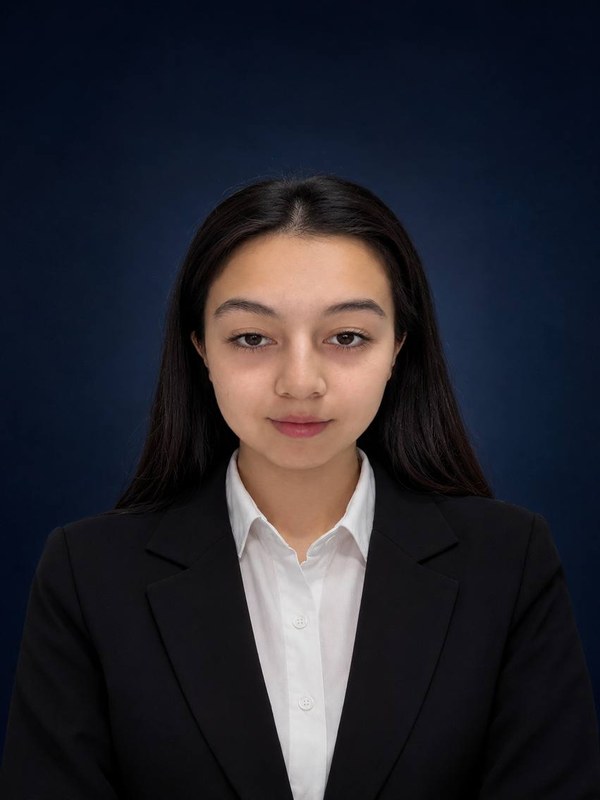
Documentations Director
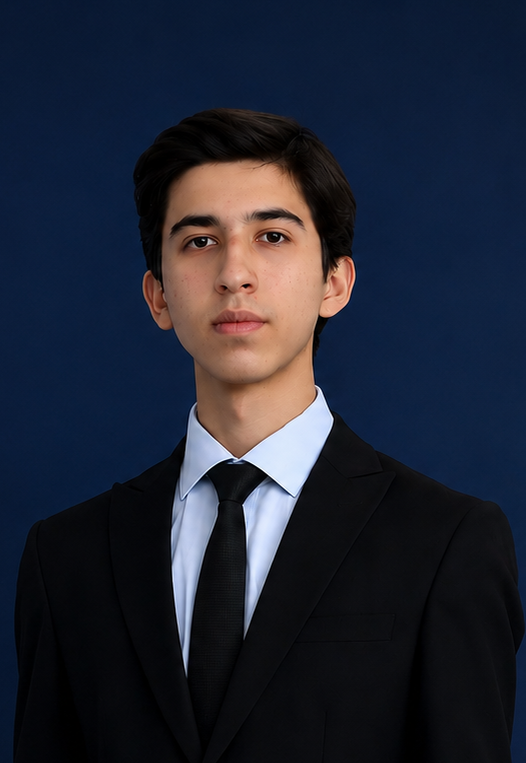
Marketing Director
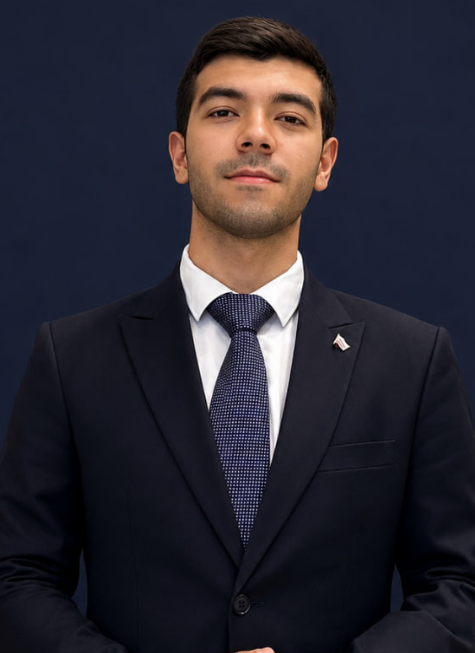
Ambassador
Program Costs
CAYA keeps participation affordable. Fees fund a fair review process and the running of the programme.
Application Fee
$5 / 60,000 UZS
Non-refundable under any circumstances. Used by the admissions committee to review applications.
Participation Fee
$20 / 240,000 UZS
Non-refundable unless cancellation is requested within 24 hours after acceptance.
Referrals
Fee waived
Participants who successfully refer two applicants may have their application fee waived.
A select number of merit scholarships will be awarded to exceptional applicants based on academic or professional excellence. This award covers the participation fee and includes one night of accommodation for the participant; the standard ($5) application fee remains mandatory for all submissions.
Full Financial Aid
$0 participation fee
Five exceptional applicants will receive a merit scholarship covering the full $20 / 240,000 UZS participation fee and one night of accommodation, based on academic or professional excellence. The standard $5 application fee remains mandatory for all submissions, except for applicants who successfully completed the Referral Program.
Partial Financial Aid
$10 / 120,000 UZS
10 participants pay only $10 (120,000 UZS) instead of the full $20 / 240,000 UZS participation fee.
Key Dates
Here is exactly what happens between registration and Forum day — mark these dates on your calendar.
Applications open. Submit your application and pay the application fee.
The admissions committee reviews every submitted application.
Results are released. Accepted delegates are notified directly.
Accepted delegates complete onboarding, pay the participation fee, and prepare for the Forum.
Delegates convene in Samarkand for the CAYA Forum.
Applications Open
Join as a delegate to build a project, or as a volunteer to help make the Assembly happen. Applications are reviewed on a rolling basis.
Frequently Asked Questions
The Assembly is open to young people who are citizens or residents of Central Asia — Kazakhstan, Kyrgyzstan, Tajikistan, Turkmenistan, and Uzbekistan — and who are motivated to design and deliver real projects. We welcome students, early-career professionals, and community organisers.
Applications open on 28 June and close on 10 July. Our team reviews all submissions between 10 and 15 July. Admission decisions are released on 15 July, and accepted participants have until 18 July to confirm their spot. From 18 to 28 July, confirmed delegates work on their policy solutions, with final drafts submitted between 28 and 31 July. The Assembly itself begins on 2 August in Samarkand.
After the application window closes on 10 July, our admissions committee reviews every submission. You will receive a decision by 15 July. If accepted, you will have three days — until 18 July — to confirm your participation. Once confirmed, you will join your track team and begin preparing your policy solution ahead of the final submission deadline on 31 July.
Choose a track aligned with one of five Sustainable Development Goals and submit the participant application form in the Applications section. Applications are reviewed by the admissions committee on a rolling basis until places are filled.
There is a $5 (about 60,000 UZS) application fee that funds the admissions review and is non-refundable under any circumstances. Accepted participants pay a $20 (about 240,000 UZS) participation fee, which is non-refundable unless cancellation is requested within 24 hours of acceptance. A limited number of financial aid slots are available: 5 full aid slots cover the entire participation fee, and 5 partial aid slots reduce it to $10 (120,000 UZS). See Program Costs for details.
Yes, we offer both merit scholarships and partial financial aid. Five top applicants will receive a full scholarship covering the $20 / 240,000 UZS fee and one night of accommodation. We also offer 10 partial aid slots providing a 50% discount via the application form. The standard $5 application fee is mandatory for everyone, except those who successfully complete the Referral Program.
After the forum, selected teams enter a pilot season in which they develop and test their projects in the field. During this period teams receive mentorship, institutional support, and opportunities to collaborate with partner organisations while working toward measurable outcomes.
Yes. Participants who complete the forum receive a certificate of participation, and teams that complete the pilot season receive recognition reflecting the outcomes they delivered.
Yes. We recruit volunteers across logistics, communications, documentation, and programme support. Volunteering is an excellent way to contribute to the region and gain experience inside a working regional platform. Apply via the Applications section.
Participants are expected to keep working on their projects after the event. CAYA supports continued implementation through follow-up check-ins, mentor guidance, and connections to partners, so that ideas formed at the forum mature into measurable impact.
Participants apply under one of five Sustainable Development Goals: Climate Action (SDG 13), Quality Education (SDG 4), Good Health and Well-being (SDG 3), Decent Work and Economic Growth (SDG 8), Sustainable Cities & Communities (SDG 11). You can read each one in the SDG Tracks section.
Contact
For questions about applications, partnerships, or volunteering, reach us directly. We aim to reply promptly.